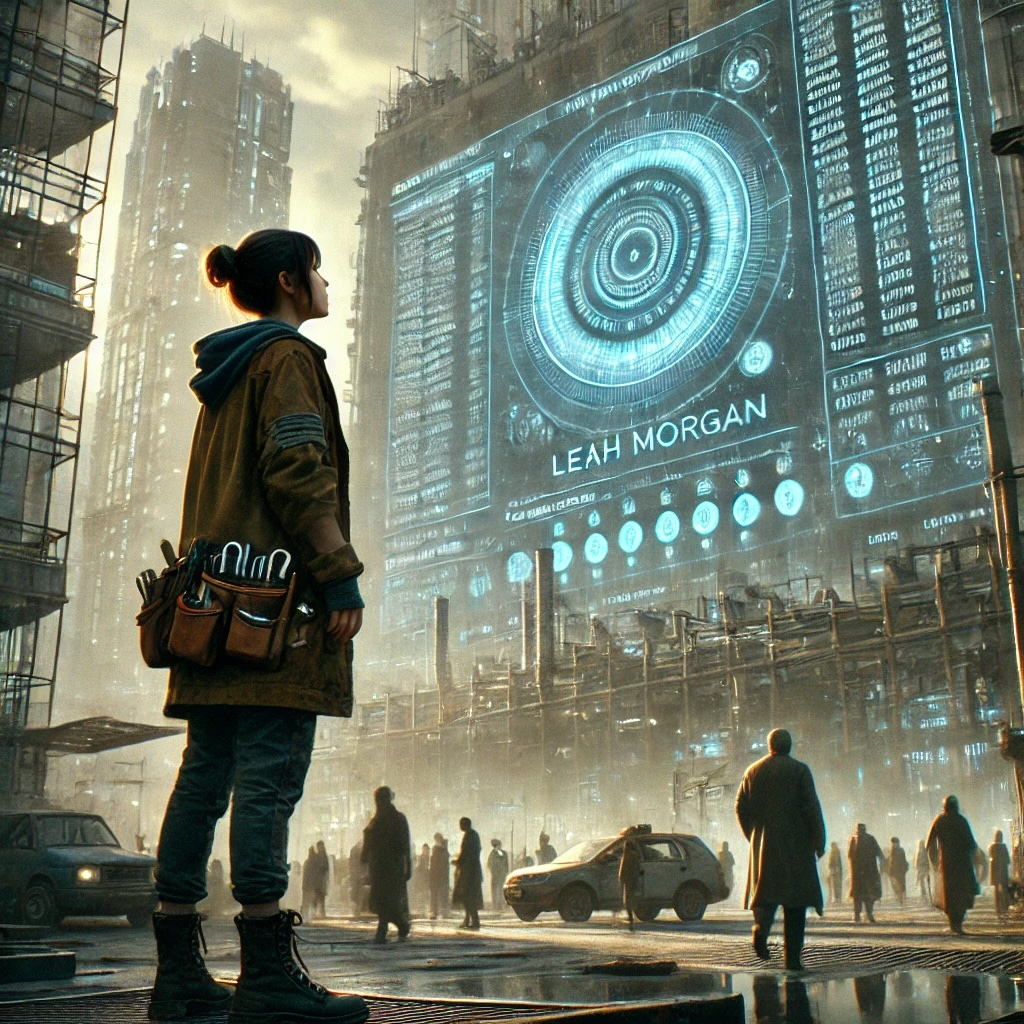
Prologue: The Value of an Hour
The old saying was wrong. Time isn’t money—time is everything.
I remember the day the global markets collapsed. I was twelve, watching my parents stare at their screens in horror as digital fortunes evaporated worldwide. Currency became worthless overnight. Billions of people lost everything they’d worked their entire lives to build. The streets filled with the desperate and the angry, their bank accounts reduced to strings of meaningless numbers.
But humans are nothing if not adaptable.
From the ashes of the old system, we built something new—something fair. Or at least, that’s what they told us. The Timekeepers emerged with their elegant solution: if money had failed us, we would trade in the one commodity everyone had in equal measure: time.
Every hour of work, no matter what kind, would be worth the same. One hour of teaching equals one hour of farming equals one hour of coding. A doctor’s time is worth no more or less than a street sweeper’s. The theory was beautiful in its simplicity—we all have twenty-four hours in a day, so we all start equal.
They built the ledger to track it all—a massive, encrypted database recording every hour worked and every service exchanged. The Timekeepers would guard it, ensuring no one could cheat the system. “Time fraud,” they warned us, “undermines the very foundation of our new society.”
When the world fell apart, I found peace in broken things. Machines don’t lie—they either work or they don’t. Maybe that’s why I became an engineer. Now I spend my days breathing life back into the massive atmospheric processors that keep our arcology habitable. Twelve hours of crawling through maintenance shafts, debugging neural networks, and soldering quantum circuits earn me twelve credits. Simple. Fair. At least that’s what I told myself, watching those credits drain away for necessities—vat-grown food, automated healthcare, mandatory entertainment quotas. The same credits that somehow stretch twice as far for those who work in the Timekeeper towers. But machines don’t lie, even when people do.
But lately, I’ve noticed something odd in the numbers. There were small discrepancies at first—a minute here, an hour there. I thought I was imagining it. Then, last week, I saw Councilor Reed’s daughter get a week’s worth of medical care for what should have cost a month’s credits. When I checked the public ledger, her account showed no unusual deductions.
The thing about time is that it’s supposed to be constant. Unchangeable. A minute is a minute is a minute.
Unless someone’s found a way to make their minutes count for more than yours.
My name is Leah Morgan, and I’m about to discover that some people have figured out how to bend the rules in a world where time equals power. They say time waits for no one, but that’s not entirely true.
Some people, it seems, have all the time in the world.
And I intend to find out why.nd the rules in a world where time equals power. They say time waits for no one, but that’s not entirely true.
Some people, it seems, have all the time in the world.
And I intend to find out why.
(Author Note: I am hoping to have Chapter 1 out by November 8th. Thanks for reading the Prologue.)



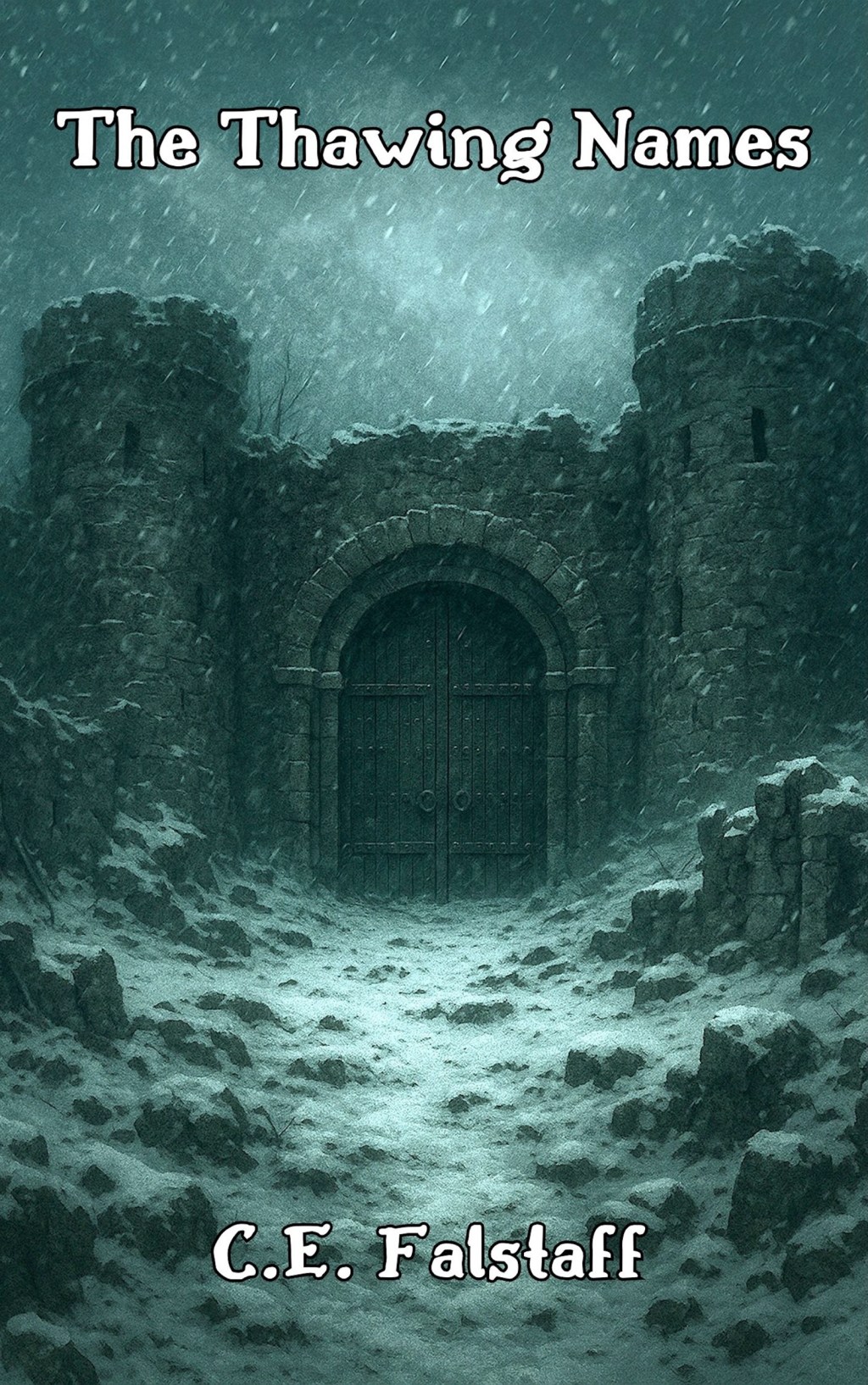
 Chuck Anderson Rocks aka C.E. Falstaff
Leave a comment